Hackers have breached Cloud One, the US Air Force’s flagship cloud computing platform, in an intrusion that could put sensitive military, personnel and logistics data at risk. Reuters first reported the breach on Friday, November 27, citing people familiar with the matter.
The intrusion was discovered within the past month or so, during work to upgrade the system. Reuters could not establish who the hackers were, the full scope of the intrusion, or whether any data had been stolen. Investigators have called in US Cyber Command, the military’s cyber force, to assess the damage.
The discovery has already disrupted work across the platform. Efforts to move more back-office applications onto Cloud One, a longstanding military priority, have been paused. Updates to applications already running on the system have been blocked, leaving Air Force personnel unable to apply fixes. Some users have also had their administrator rights revoked.
Key takeaways: Hackers breached Cloud One, the US Air Force’s flagship cloud platform, Reuters reported on November 27. The intrusion was found during upgrade work in the past month. Who carried it out, how far it reached and whether any data was taken remain unknown. The Air Force has paused migrations, blocked updates and called in US Cyber Command.
What Cloud One is
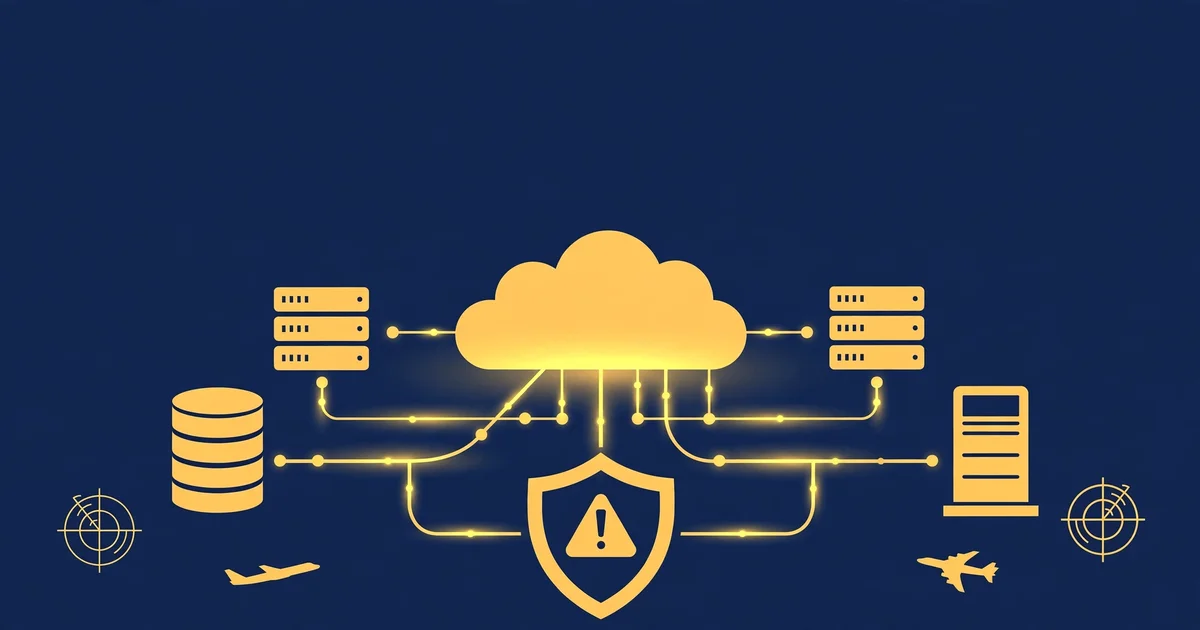
Cloud One was launched in 2017 to bring the Air Force’s information technology systems together on one platform. It combines cloud computing resources from four operators, Microsoft, Amazon, Oracle and Alphabet, to power scores of applications, including ones that manage personnel data and pay, logistics and aircraft maintenance.
The platform also hosts frontline systems. Among them is the Air Force’s Cloud-Based Command and Control, which pulls together air defence radar and other data feeds from across North America. Another is the Theater Integrated Combat Munitions System, which tracks bombs and missiles across more than 200 US Air Force locations around the world.
Cloud One is among the US military’s biggest cloud platforms, according to two of the sources who spoke to Reuters. “A breach here is a big deal,” one of the sources said.
SAIC was the prime contractor for Cloud One until 2025, when Leidos took over. SAIC did not respond to a request for comment. Leidos referred questions to the Air Force.
How the intruders got in
One source told Reuters that the cyber intruders exploited a software vulnerability to reach the platform’s control plane, the central layer that manages the system. That person likened the control plane to a universal remote: in theory, intruders with that level of access could check the operational status of military aircraft or the movement of spare parts. It was unclear whether the hackers did so in this case.
Reuters could not identify the specific vulnerability the hackers exploited. All five sources who spoke to the news agency did so on condition of anonymity.
The timing adds to the pressure. The blocked updates mean Air Force staff cannot apply fixes just as a new batch of serious software vulnerabilities has been disclosed across the technology industry.
The official response
The Air Force declined to discuss the specifics of the incident. In a statement to Reuters, the service said it “does not comment on the security posture, vulnerabilities or operational status of specific networks and systems. We continuously take prudent measures to protect Department (of the Air Force) information, systems and mission capabilities.”
Cyber Command did not respond to requests for comment.
The Air Force has not said when migrations to Cloud One will resume, when updates will be unblocked, or whether the intruders are still inside the system.
A wider pattern of breaches
News of the breach comes amid heightened anxiety over AI-powered intrusions, a problem that is particularly serious for cloud-based networks because AI models can swiftly detect weaknesses across wide surface areas.
The US government has already been dealing with the fallout from at least six other recently disclosed cyber incidents, according to Reuters. They include two at the FBI, a previous hack of Pentagon data, a recent leak of Department of Homeland Security personnel information, a breach affecting at least two spy agencies, and a hack at the Treasury Department.
The wider picture looks no better. This month alone, a historic Federal Aviation Administration ground stop, widespread major bank outages, and a National Security Agency network disruption caused public concern, even as officials blamed ageing technology and software glitches. In September, more than 30,000 veterans’ sensitive health data was compromised in a breach at a genetic testing laboratory. In May, more than 70,000 US Army files with sensitive information about military personnel were leaked. In July, the Department of Defense suspended a cybersecurity compliance plan, citing concerns about the cost and bureaucracy of implementing it.
Cloud One has long been in the crosshairs of hackers. In a 2023 commentary, the platform’s leadership touted what they called a “100% success rate” in beating back what they described as a “staggering” number of attempts to penetrate the platform. “There is no room for error when it comes to security,” they wrote.
Why it matters
The breach matters because of what Cloud One holds and what it connects. A single platform now carries personnel records and pay, aircraft maintenance and logistics, air defence radar feeds and munitions tracking. That centralisation was meant to make the Air Force faster and more efficient. It also means a single intrusion can touch many different kinds of sensitive information at once.
The control plane detail is the most worrying part. Access at that level would not just expose stored files. It could, in theory, let an intruder watch the operational status of aircraft and the movement of parts, the kind of information an adversary would value for planning.
The unknowns are just as important as what is known. Until investigators establish who was behind the intrusion, how long they were inside and what they took, the Air Force cannot be sure what has been compromised. Attribution matters too: a criminal gang hunting for data to sell and a state-backed team mapping military systems would demand very different responses.
For Pakistan and the wider region, the incident is a reminder that even the best-funded military networks are not immune. Cloud platforms now underpin defence systems in many countries, and the same logic applies everywhere: concentration brings efficiency, and it also concentrates risk.
What happens next
Cyber Command’s assessment is now the key next step. Its findings should establish the scope of the intrusion, whether data was stolen, and how the hackers got in. That will decide how long migrations and updates stay frozen, and what fixes are needed before normal work resumes.
Three questions will shape the story from here. First, attribution: will investigators be able to say who was behind the attack, and will the US government name them publicly? Second, scope: how far did the intruders reach, and did they touch the command and control or munitions systems? Third, disclosure: will the Air Force say more once the assessment is complete, or will it keep the details classified?
The answers will take time. Until then, one of the US military’s largest cloud platforms is running with its expansion paused, its updates blocked, and its most basic security question still unanswered.
Frequently asked questions
What is Cloud One?
Cloud One is the US Air Force’s flagship cloud computing platform, launched in 2017. It combines cloud resources from Microsoft, Amazon, Oracle and Alphabet to run scores of applications, from personnel records and pay to aircraft maintenance, air defence radar feeds and munitions tracking.
When was the Cloud One breach discovered?
The intrusion was discovered within the past month or so, during work to upgrade the system, according to Reuters, which first reported the breach on November 27, 2026.
Was any data stolen in the Cloud One hack?
It is not yet known. Reuters could not establish whether any data had been stolen, and the full scope of the intrusion remains unclear while US Cyber Command assesses the damage.
Who hacked Cloud One?
The identity of the hackers has not been established. Reuters reported that the intruders exploited a software vulnerability to reach the platform’s control plane, but the specific vulnerability and the attackers remain unidentified.
What has the US Air Force done since the breach?
The Air Force has paused efforts to migrate more applications onto Cloud One, blocked updates to applications already running on it, revoked some users’ administrator rights, and called in US Cyber Command to assess the damage.
Sources
- Reuters, “Hackers breach US Air Force flagship Cloud One computing platform”, November 27, 2026
- Military.com, “Air Force Cloud Platform Breached by Hackers, Putting Sensitive Data at Risk: Report”, November 27, 2026
- Channel News Asia, “Hackers breach US Air Force flagship Cloud One computing platform”, November 27, 2026
- Engadget, “Hackers reportedly infiltrated the Air Force’s cloud systems”, November 27, 2026
- The Daily Star, “Hackers breach US Air Force flagship Cloud One computing platform”, November 28, 2026
- Haaretz, “Hackers Breach One of Pentagon’s Top Systems, Access U.S. Air Force Data, Radars”, November 27, 2026