Key takeaways: New Zealand’s final election count left Prime Minister Christopher Luxon’s coalition with 65 of 130 seats, one short of a majority. The centrist Opportunity Party, led by 38-year-old Qiulae Wong, won seven seats and now holds the balance of power. Labour’s bloc cannot govern even with Opportunity’s support.
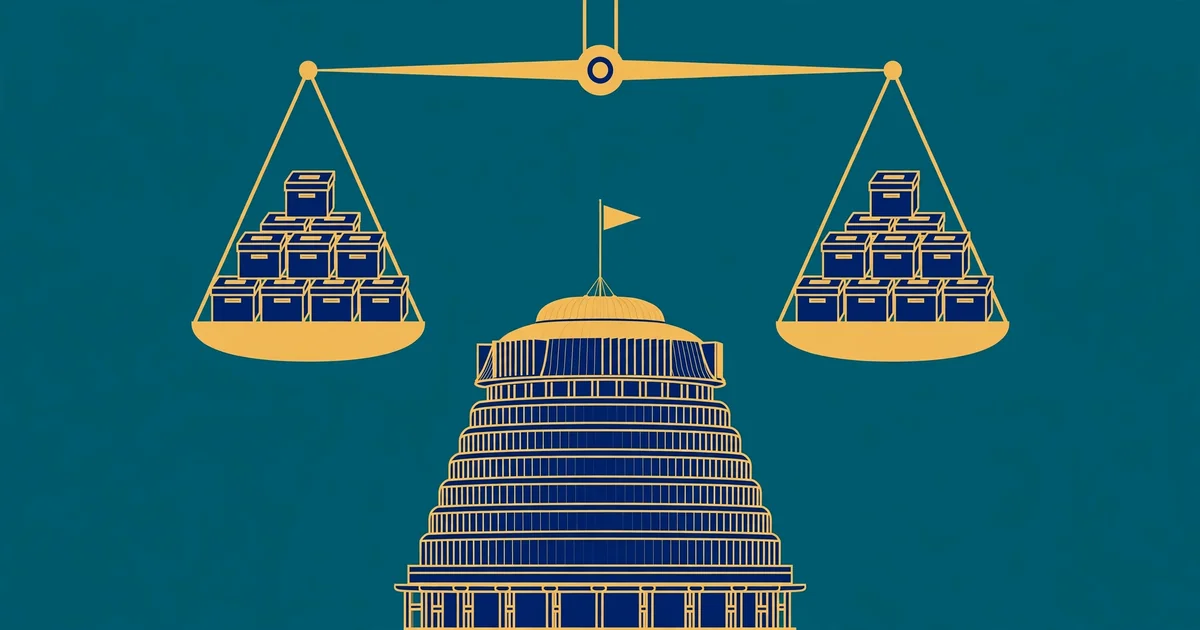
New Zealand’s election has ended in a deadlock. The final count, released by the Electoral Commission on Friday, November 27, gave Prime Minister Christopher Luxon’s centre-right coalition 65 seats in the 130-seat parliament, one short of the 66 needed for a majority. The result hands the balance of power to the centrist Opportunity Party, a newcomer to parliament led by 38-year-old Qiulae Wong.
The election on November 7 was the tightest vote in years. On election night, Luxon’s coalition held a wafer-thin majority, but the count of 484,865 special votes, cast by New Zealanders overseas or outside their home electorates, changed the picture. National lost the seats of Wairarapa and Hamilton East to Labour, dropping two seats from its election night tally.
The final numbers leave neither side able to govern alone. National won 40 seats, with its partners ACT on 13 and New Zealand First on 12. Labour, the largest opposition party, won 36 seats, the Greens 17 and Te Pati Maori five, for a left bloc total of 58. Even with Opportunity’s seven seats, that bloc would reach only 65, one short of a majority. Luxon is therefore the only leader with a realistic path to forming a government.
Opportunity’s rise is the story of the election. The party was founded in 2016 and failed three times to enter parliament before Wong, a business consultant and political newcomer, became its leader less than a year ago. It won 6.06 percent of the party vote and seven seats, becoming the first party founded outside the modern political establishment to enter New Zealand’s parliament.
Wong said on Friday she would negotiate first with National, as the party with the largest number of seats, and that all options were on the table. She said her party would consider a formal coalition deal or a confidence and supply agreement, under which its lawmakers would back the government on key votes while deciding other bills case by case.
Her price is likely to be high. Opportunity’s five bottom-line policies include stronger action on climate change and an end to bottom-trawling fishing, positions that clash directly with the stances of Luxon’s partners ACT and New Zealand First. Luxon, who has shifted his position towards talks with Opportunity, said he was optimistic about forming a government.
Why it matters
The result captures a shift seen in democracies around the world: voters moving towards parties outside the political mainstream. Labour actually won a larger share of the party vote than National, 29.88 percent against 28.35 percent, yet Luxon holds the only workable route to power because of how the seats fell. Turnout was 77.2 percent, down from 78.2 percent in 2023.
The deadlock also means the shape of the next government depends on one person. Wong’s seven lawmakers can install Luxon for a second term, but the negotiations will test whether a centrist party built on climate and competition policy can sit with a coalition that includes two parties on its right. The concessions she extracts, on climate, fishing or public investment, could reshape the government’s agenda for the next three years.
What happens next
Negotiations begin immediately. Parties have until December 2 to seek recounts, and the Electoral Commission will confirm the official result to the Governor-General on December 3. Until a deal is struck, Luxon remains prime minister in a caretaker capacity. If talks with Opportunity fail, New Zealand faces a prolonged stalemate with no clear alternative government, and the prospect of another election cannot be ruled out.
How many seats does Luxon’s coalition need for a majority?
The coalition needs 66 seats in the 130-seat parliament. It holds 65 after the final count: National with 40, ACT with 13 and New Zealand First with 12. It is one seat short, which is why it needs the Opportunity Party’s support to govern.
Who is Qiulae Wong?
Qiulae Wong is the 38-year-old leader of the centrist Opportunity Party. A business consultant and political newcomer, she took over the party less than a year ago and led it into parliament for the first time, winning seven seats and the balance of power in the deadlocked result.
Why did the final count change the election result?
The final count added 484,865 special votes, cast by New Zealanders overseas or outside their home electorates, to the election night tally. Those votes flipped the seats of Wairarapa and Hamilton East from National to Labour, costing the coalition the two seats that made up its slim election night majority.
What happens next in New Zealand?
Luxon will negotiate with Wong, who is open to a formal coalition deal or a confidence and supply agreement. Parties can seek recounts until December 2, and the official result goes to the Governor-General on December 3. If no deal is reached, New Zealand faces a prolonged political stalemate.
Sources
- Reuters, “New Zealand’s ruling coalition falls just short of majority in final election count”, November 27, 2026: https://www.reuters.com/world/asia-pacific/new-zealands-ruling-coalition-falls-just-short-majority-final-election-count-2026-11-27/
- Associated Press, “Final count in New Zealand’s election gives neither right nor left bloc enough seats for a majority”, November 27, 2026: https://gmg-kprc-prod.cdn.arcpublishing.com/news/world/2026/11/27/final-count-in-new-zealands-election-gives-neither-right-nor-left-bloc-enough-seats-for-a-majority/
- 1News, “Final decision: hung Parliament as special votes counted”, November 27, 2026: https://www.1news.co.nz/2026/11/27/watch-live-1news-your-vote-2026-final-decision/
- Stuff, “Opportunity IS the kingmaker – but they can only crown one king”, November 27, 2026: https://www.stuff.co.nz/politics/361064524/opportunity-or-nothing-election-result-shows-hung-parliament-if-luxon-and-wong-cant-agree
Related coverage: US Proposes New Tariffs on 14 Trading Partners in Fresh Trade Salvo | Solomon Islands Signs Australia Treaty, Rules Out Foreign Bases | COP31 Collapses in Antalya: No Climate Deal as Fossil Fuel Split Derails Longest Summit on Record