Key takeaways: Pakistan has unveiled a five-year auto policy promising cheaper cars, lower taxes on electric vehicles and bigger car loans. The tax cuts still need IMF approval, so showroom prices will not change immediately.
The federal government has unveiled a new five-year auto policy promising cheaper cars, tax breaks for electric vehicles and bigger car loans. Information Minister Attaullah Tarar and the prime minister’s adviser on industries and production, Haroon Akhtar Khan, announced the Automotive Industry Development and Export Policy 2026-31 at a press conference in Islamabad on Saturday, November 7.
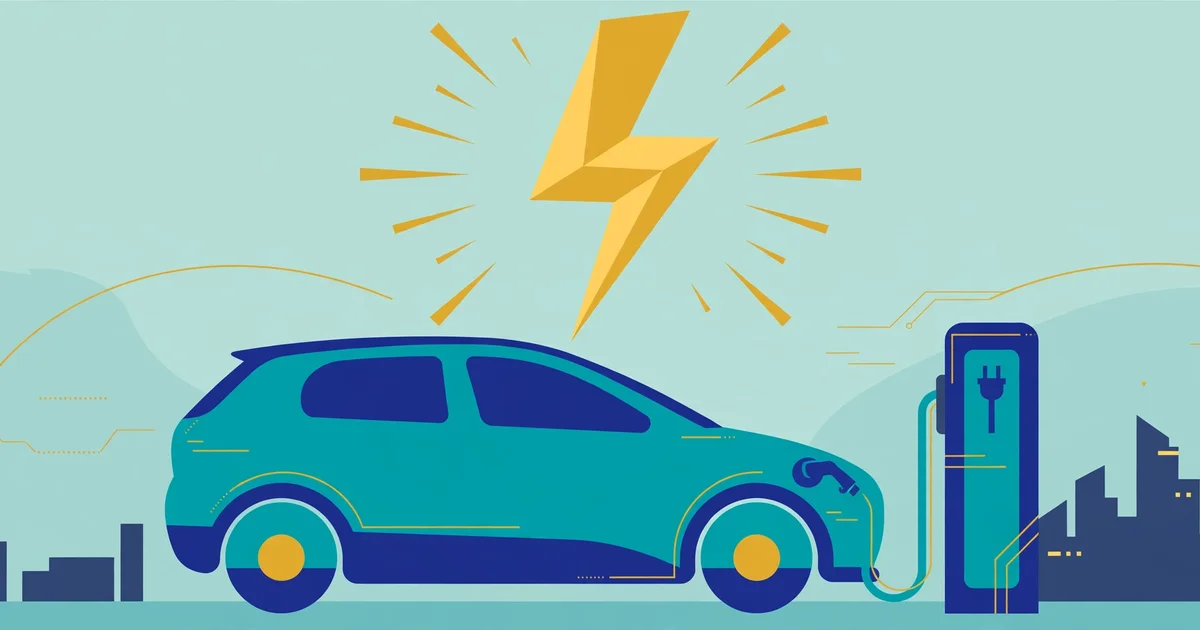
The policy is built around six priorities: affordable vehicles, localisation, export promotion, vehicle safety, electric mobility and transparency. Tarar said it aims to promote innovation, value addition and localisation in the domestic automobile industry, to create jobs and enable vehicle exports. The shift to electric vehicles, he said, would cut carbon emissions and reduce the petroleum import bill, while incentives have also been introduced for setting up charging stations. The policy also promotes electric motorcycles and scooters, which the government links to cleaner air and carbon credits.
The centrepiece is a set of proposed tax rates for electric vehicles. Battery electric vehicles would pay sales tax of 1 percent, range-extended electric vehicles 6 percent and plug-in hybrids 9 percent. Electric vehicles priced up to $50,000 would also be exempt from capital value tax, withholding tax and federal excise duty. The government rejected an IMF proposal to raise EV sales tax to 18 percent, but its own lower rates still need IMF approval.
Car financing would also expand under the plan. The maximum loan limit for electric vehicles would rise from Rs3 million to Rs10 million, and the repayment period from three years to five years. Duties on assembly kits, components and raw materials would fall gradually over five years to cut manufacturing costs. Small imported electric cars worth up to $15,000 would face customs duty of 5 percent in the first two years.
Small petrol cars are protected in the plan. Vehicles below 1,000cc would stay outside the proposed changes, and a proposed federal excise duty on conventional cars below 1,000cc has been withdrawn. To partly offset the cost of the tax cuts, the draft policy proposes a new auto development levy of 2 to 10 percent on petrol and diesel vehicles.
The government has set ambitious targets: cumulative auto exports of $6 billion over five years, and electric vehicles making up 30 percent of new vehicle sales by 2030. Draft projections put the Suzuki Alto down from Rs3.2 million to about Rs2.85 million in the first year, but those are projections, not confirmed prices, and officials gave no dates.
Why it matters
Cars in Pakistan are expensive relative to incomes, and high duties have kept them out of reach for many buyers. Fuel imports are also one of the country’s largest drains on foreign exchange, so every petrol car replaced by an electric one eases pressure on reserves. Localisation would support local industry and jobs instead of paying for imported kits. But the headline numbers are promises, not yet law: the tax concessions depend on the IMF and the full policy text is unpublished, so the benefits are real on paper but not yet in the showroom.
What happens next
The government must now publish the full policy text and tariff schedule, secure IMF agreement, win cabinet endorsement and pass legislation to give the rates legal effect. Until those steps are complete, buyers should not expect immediate price cuts or automatic access to the proposed financing. The test of the policy will be whether the promised rates survive the IMF review and reach showrooms in the coming months.
Sources
- The Express Tribune, Govt unveils new auto policy aimed at promoting EVs, boosting localisation, 7 November 2026
- Gulf News, Pakistan’s New Auto Policy 2026-31: Cheaper Cars, EV Tax Cuts, and Rs10m Loans Explained, 8 November 2026
- PakWheels, Pakistan’s Auto Policy Gets Tentative Approval, IMF Agreement Still Pending, 7 November 2026
- Profit by Pakistan Today, Pakistan plans tax relief for electric vehicles, 20 October 2026