Key takeaways: Paraguay President Santiago Peña resigned on November 5 after the collapse of digital lender Ueno Bank locked about 3 million customers out of their accounts. Minutes later, the lower house voted 78-0 to impeach him. Prosecutors have opened three criminal investigations, and Vice President Pedro Alliana is set to serve out the term through August 2028.
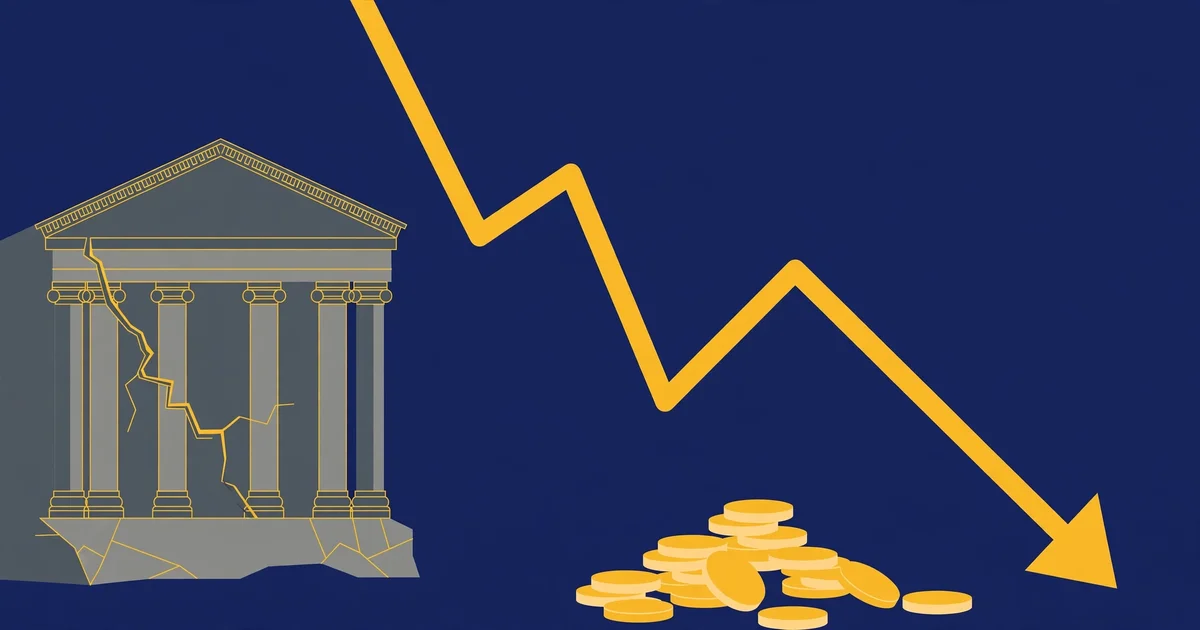
Paraguay President Santiago Peña resigned on Thursday, November 5, after the collapse of a digital bank tied to his government locked about 3 million customers out of their accounts and set off three days of street protests in the capital, Asunción. Minutes after he announced his resignation, the lower house of Congress voted unanimously to impeach him anyway.
Peña, 47, announced his decision in a video posted on X, saying he was stepping down to protect the country’s stability and its democratic institutions. “I have made the decision to submit my resignation as president of the republic,” he said. He apologised, but he did not say the crisis was his fault.
His priority, he said, was making sure depositors got their money back. “My greatest wish is that the return of those funds be guaranteed, that the deposit guarantee fund fulfill its purpose, and that public funds, as well as the resources that belong to all Paraguayans, be protected,” Peña said in the address, according to Reuters.
With Congress accepting the resignation, Vice President Pedro Alliana took over as president. Alliana, a former president of the Chamber of Deputies and a former governor, will serve out the remainder of Peña’s term through August 2028. Congress must now choose a new vice president.
How a digital bank brought down a president
The crisis began with Ueno Bank, a digital lender that grew from an obscure finance company into a household name in less than five years. Ueno’s own figures put its customer base at about 3 million people, which is close to 60 percent of all adults in Paraguay, a country of roughly 6.5 million. Public money was caught up in the failure as well: roughly 800 million to 850 million dollars, including state pension and health funds and money belonging to the operators of the country’s huge hydroelectric dams.
Late on Monday, November 2, the central bank’s board voted unanimously to place Ueno in resolution, putting officials in charge of assessing its finances and protecting what was left. On Tuesday, the regulator took control of the bank and said it would shift customer accounts to other banks, carrying over any assets that still had value, then wind down the rest.
When regulators corrected the books, they found loans to companies connected to the bank’s owners that lacked proper documentation, and spending that had been recorded as assets. The corrections cut Ueno’s capital, the cushion banks must keep to absorb losses, to less than half of the legal minimum. Customers suddenly could not use the app, their cards or transfers, and branches stayed shut, so savers queued outside buildings they could not enter.
The failure became a political crisis within hours, because public pension and health money was caught inside the bank. Late on Monday, Peña called off a planned trip to a summit in Spain. He asked Carvallo to step down as central bank chief, and he agreed with congressional leaders on fast-track laws to pay depositors sooner and protect public money.
The ties that fuelled the crisis
Lawmakers and protesters focused on Peña’s own links to the bank. Peña’s business links to the bank’s owners go back years: Reuters reported that he was a business partner of Grupo Vázquez, the group behind Ueno, until March 2025. He also appointed Carvallo, who had previously run Financiera Ueno, the predecessor to Ueno Bank, to lead the central bank, the agency charged with supervising the lender.
On November 4, a group of 35 lower-house lawmakers filed impeachment articles against Peña and asked for an extraordinary session of Congress. Their case accused him of conflicts of interest, of mishandling pension money and of shielding the bank from scrutiny.
Protests had already been building for three days in Asunción. On Wednesday night, officers in Asunción broke up a crowd of several hundred people with pepper spray and rubber bullets; the crowd had come to demand its deposits back and to call for the president’s removal. By Thursday, Peña had also lost backing from members of his own conservative Colorado Party, which has ruled Paraguay for most of the past eight decades.
The vote was unanimous, 78 to 0, and it included members of Peña’s own Colorado Party voting alongside the opposition. The charges now go to the Senate, which needs a two-thirds majority, 30 of its 45 members, to convict and formally remove a president. Alliana’s own position had been cleared earlier on Thursday, when the lower house turned down a separate bid to impeach him.
Criminal investigations and arrests
Hours after the resignation, Paraguay’s Attorney General Emiliano Rolón Fernández ordered three criminal investigations into the Ueno Bank crisis, including allegations involving Peña and other current and former government officials, the prosecutor’s office said. The three investigations will look at how the bank was supervised, how officials dealt with its collapse, and how public money ended up deposited there.
So far, 27 bank officials and associates face charges of breach of trust and attempted fraud, according to prosecutors. A judge on Thursday sent six senior figures from the bank to jail while they await trial, among them founder Miguel Vázquez and bank president Juan Manuel Gustale. Two more were placed under house arrest.
Peña, a former International Monetary Fund economist and an ally of United States President Donald Trump, took office in August 2023 after winning the election that April, on a five-year term due to run until 2028.
Why it matters
The crisis matters for three reasons. First is its scale. When a bank serving about 60 percent of a country’s adults collapses in a single week, the damage reaches almost every household, and the sight of depositors locked out of their own savings explains why the protests grew so fast.
Second is the public money at stake. Ueno held hundreds of millions of dollars belonging to the state pension and health funds and to the hydroelectric dams that are central to Paraguay’s economy. Whether that money is recovered in full will shape public trust in the country’s institutions for years.
Third is what it says about financial oversight. Ueno grew from a niche fintech player into a mid-sized bank in under five years, and its rise was closely tied to people in power. The central bank’s own chief had previously run the bank’s predecessor, and the president had business ties to its controlling group. The crisis has already shaken investor confidence in a country long seen as one of South America‘s most stable economies: the guaraní slid beyond 6,500 to the dollar during Thursday’s trading and finished the day at 6,490, close to 5 percent lower.
What happens next
The Senate still has to rule on the impeachment charges sent by the lower house. A two-thirds majority is needed to convict, and the trial was expected to continue into Friday.
For depositors, the immediate question is practical: when their accounts will move to other banks and how much of their money they will get back. The central bank has said accounts will move with whatever assets still hold value, but it has given no timetable.
Alliana must now steady a shaken country: manage the financial fallout, choose a new vice president with Congress, and restore trust in a banking system millions of Paraguayans no longer believe in. The criminal cases will also run on: prosecutors are examining the roles of Peña and other officials, and the courts will decide the fate of the jailed bank executives.
Frequently asked questions
Why did Paraguay’s president resign?
Santiago Peña resigned on November 5 after the collapse of digital lender Ueno Bank, which locked about 3 million customers out of their accounts. He faced an impeachment process, three days of protests and the loss of support from his own party, and said he was stepping down to preserve the country’s stability and democratic institutions.
What happened to Ueno Bank?
Paraguay’s central bank seized Ueno on November 3 after finding its capital had fallen below half the legal minimum. Regulators found poorly documented lending to companies linked to the bank’s owners and expenses wrongly counted as assets. Its app, cards and transfers went dark, and branches closed.
How many people were affected?
Ueno says it has about 3 million customers, roughly 60 percent of Paraguay’s adult population, in a country of about 6.5 million people. It also managed about 800 million to 850 million dollars in public money, including pension and health funds.
Who is running Paraguay now?
Vice President Pedro Alliana assumed the presidency after Congress accepted Peña’s resignation. He will serve out the remainder of the term through August 2028, and Congress must choose a new vice president.
Sources
- Reuters, “Paraguay President Peña resigns under mounting pressure from bank collapse,” November 5, 2026: https://www.reuters.com/world/americas/paraguay-president-pea-resigns-under-mounting-pressure-bank-collapse-2026-11-05/
- Associated Press, “Paraguayan president impeached minutes after resigning following bank collapse,” November 5, 2026 (via Stuff): https://www.stuff.co.nz/world-news/361055735/paraguayan-president-impeached-minutes-after-resigning-follo
- Associated Press, “Paraguay prosecutor opens 3 investigations into Ueno Bank crisis,” November 5, 2026 (via Santa Ana Herald): https://www.santaanaherald.com/stories/paraguay-prosecutor-opens-3-investigations-into-ueno-bank-crisis,2225767
- Associated Press, “Paraguay seizes major digital bank tied to president, leaving millions of customers in limbo,” November 3, 2026: https://listenupyall.com/2026/11/03/paraguay-seizes-major-digital-bank-tied-to-president-leaving-millions-of-customers-in-limbo/
- Gulf News, “Paraguay crisis over bank collapse: President Santiago Peña resigns,” November 6, 2026: https://gulfnews.com/world/americas/paraguay-faces-crisis-over-bank-collapse-president-santiago-pena-resigns-1.500737533
- Business Standard, “Paraguay President Santiago Pena resigns following bank collapse,” November 6, 2026: https://www.business-standard.com/amp/world-news/paraguay-president-santiago-pena-resigns-following-bank-collapse-126110600021_1.html
- Buenos Aires Herald, “Santiago Peña resigns as president of Paraguay,” November 5, 2026: https://buenosairesherald.com/world/paraguay-ueno-bank-crisis-lower-house-votes-on-penas-impeachment
- Americas Society / Council of the Americas, “Paraguay’s President Resigns. Why, and What Comes Next?” November 5, 2026: https://www.as-coa.org/articles/paraguays-president-resigns-why-and-what-comes-next