Key takeaways: Pakistan’s new daily fuel-pricing system set fresh rates on Thursday, effective Friday October 9: petrol rose Rs2.31 to Rs398.96 per litre and diesel Rs0.78 to Rs395.72, with Friday’s rates frozen through the weekend.
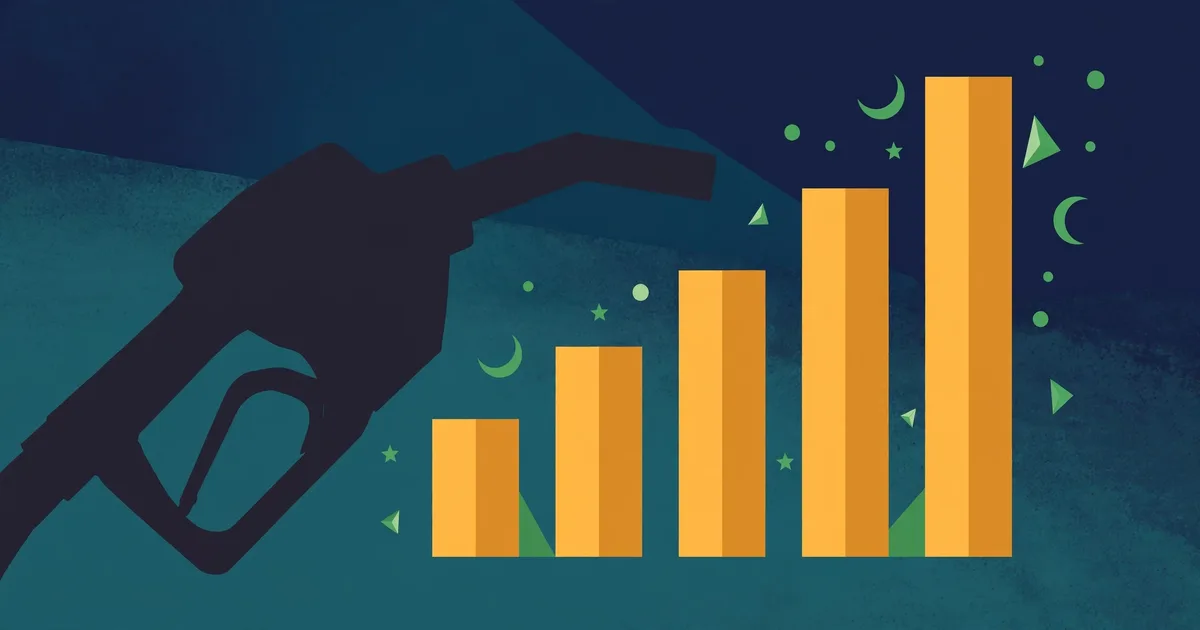
Pakistan’s daily fuel price reviews have delivered their latest verdict: petrol is up Rs2.31 per litre to Rs398.96, and high-speed diesel is up Rs0.78 to Rs395.72. The Petroleum Division announced the revision on Thursday, and the new rates took effect on Friday, October 9 — remaining unchanged through Saturday and Sunday under the new framework’s weekend rule.
The adjustment reflects the mechanism the federal cabinet approved earlier this year. Under it, the Oil and Gas Regulatory Authority publishes daily ex-depot prices for petrol and diesel based on a rolling seven-day average of international market prices — a shift Petroleum Minister Ali Pervaiz Malik has described as “in line with international practice.” Notably, Ogra can now announce the daily prices on its own authority, without prior approval from the prime minister or the federal government.
The weekend rule is a small mercy built into the system: prices notified on Friday hold steady over Saturday and Sunday, giving pump owners and commuters two days of predictability before Monday’s revision. The petroleum levy, a key component of the retail price, cannot exceed the ceiling approved by the federal cabinet, and any change to the levy rate requires approval from the Finance Division.
From fortnightly to daily: why the system changed
Until this year, Pakistan revised fuel prices every fortnight. That changed after the February 28 attack on Iran by Israel and the United States, which prompted Tehran to shut the Strait of Hormuz — the route for roughly a fifth of the world’s energy supplies before the conflict. With global oil markets whipsawing, the government first moved to weekly reviews, then switched to daily pricing from July after hostilities between Iran and the US flared again.
The turbulence has been extreme. Petrol peaked at Rs458.41 per litre on April 3, and diesel at Rs520.35 the same month, before easing through the summer. Daily revisions mean pump prices now track international swings far faster — in both directions.
Why it matters
For millions of Pakistanis, fuel prices land hardest on the cost of getting to work. Petrol powers private cars, rickshaws and the two-wheelers that are the backbone of urban commuting, so even a Rs2.31 increase feeds straight into household budgets already stretched by double-digit inflation. The daily mechanism trades stability for transparency: consumers see price movements quickly, but so do their fuel bills.
The framework also tests the government’s economic story. With IMF-Pakistan talks entering their final phase — a $1.2 billion tranche reportedly in sight — Islamabad is keen to show markets and lenders that pricing is rule-based rather than political. Automatic daily adjustments, set from published Platts reference prices, are easier to defend than headline-grabbing fortnightly decrees.
What’s next
Monday’s revision will be the next test of the mechanism, once the weekend freeze lifts. If global crude markets remain volatile amid the collapsed Iran–US truce, commuters could see another adjustment within days — in either direction. Watch Ogra’s daily price sheet: under the new system, it’s the document that moves pump prices, not cabinet announcements.
Sources
- Geo News — Govt increases petrol price by Rs2.31, diesel by Re0.78 per litre
- The News — Petrol and diesel prices hiked by Rs2.31, Re0.78 per litre
- WE News — Pakistan Hikes Petrol Price By Rs2.31, Diesel By Rs0.78 Per Litre
- Profit by Pakistan Today — Govt raises petrol by Rs1.82, cuts diesel by 91 paisas for October 8