By Javed Iqbal Butt
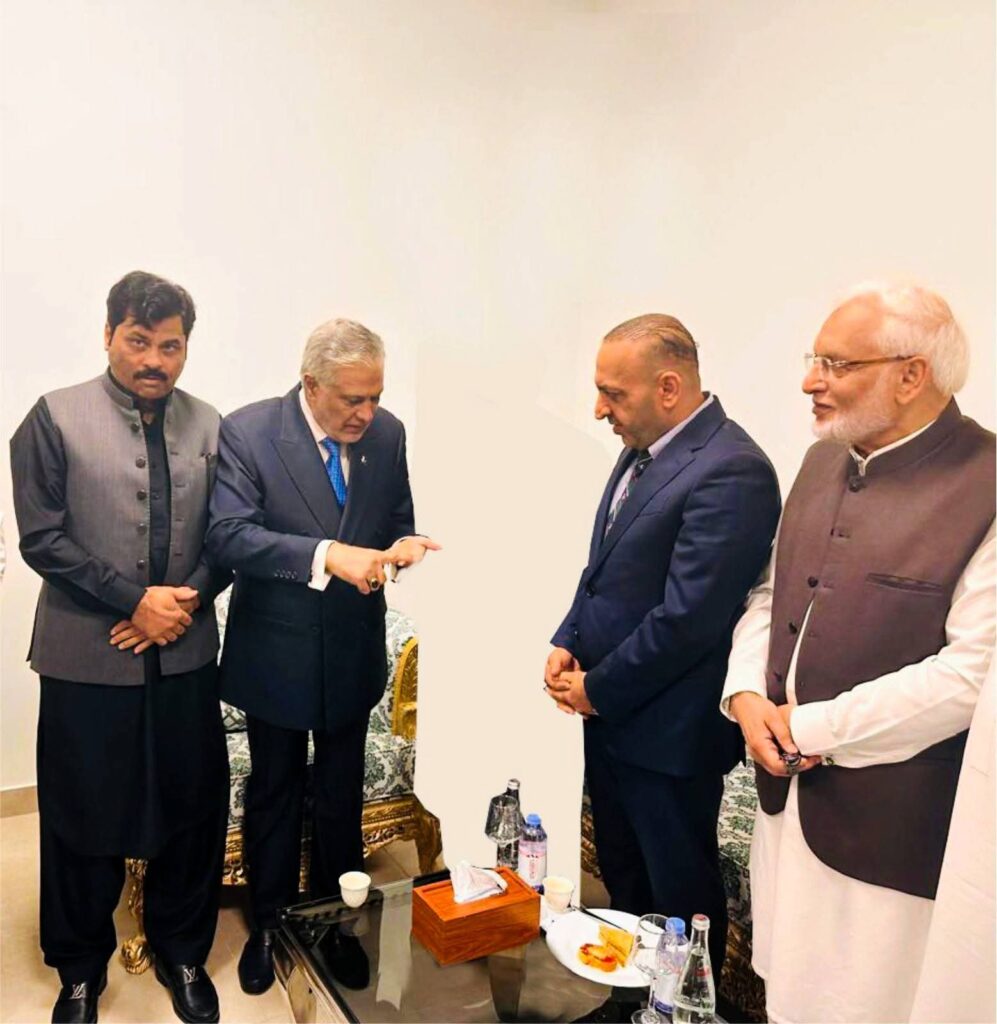
Pakistan witnessed the most effective and successful diplomacy in its history in 2025, a feat widely credited to Deputy Prime Minister and Foreign Minister Senator Muhammad Ishaq Dar. In recognition of this outstanding diplomatic performance, the Central General Secretary of Pakistan Muslim League (N) has announced that a golden crown will be presented to Senator Ishaq Dar in Islamabad as a symbolic gesture of appreciation.
According to political observers, Senator Ishaq Dar devoted up to 20 hours a day to diplomatic efforts, holding multiple meetings daily with various international delegations and conducting shuttle diplomacy with his counterparts and senior officials from different countries. These tireless efforts significantly strengthened Pakistan’s global standing.
At the same time, Prime Minister Muhammad Shehbaz Sharif delivered what has been described as one of Pakistan’s finest diplomatic speeches at Sharm El-Sheikh in the presence of former US President Donald Trump. Trump reportedly praised the address, stating that he was left with no further words to add, while Prime Minister Shehbaz Sharif received wide international appreciation.
Following Pakistan’s strategic success against India, New Delhi maintained an unusual silence, which turned into a diplomatic opportunity for Pakistan. This silence reportedly caused unease in Washington, particularly given the substantial investments made in India. Questions were raised over how India could suffer a setback on the battlefield despite such backing.
In response, Donald Trump made a series of statements acknowledging India’s defeat and confirmed the destruction of seven Indian fighter jets, along with India’s acceptance of defeat. Despite these developments, India continued to remain silent.
Pakistan, meanwhile, adopted a confident and proactive diplomatic posture, emerging as a victorious player on the global stage. While the international community largely acknowledged Pakistan’s position, it awaited formal validation from major global powers.
Subsequently, reports emerged from China indicating that the ceasefire had been achieved at Beijing’s urging. This revelation explained India’s silence, as admitting China’s role would have been politically damaging for New Delhi, especially in light of ongoing tensions in Ladakh, Galwan, and along the disputed borders since 1963.
Pakistan successfully capitalized on this situation through the diplomatic acumen of Senator Ishaq Dar. In the broader regional context involving Iran, Israel, Yemen, and the United Arab Emirates, Pakistan also conveyed a clear message to the United States that future decisions would be based on balance and strategic wisdom rather than external pressure.
Observers note that countries which once pursued their own interests at Pakistan’s expense have now, unintentionally, begun serving Pakistan’s strategic interests. History, they argue, will record this period as one of exceptional leadership, crediting Chief of Army Staff Field Marshal Syed Asim Munir for achieving decisive outcomes through strategy and wisdom rather than force.
The article concludes by stating that despite disinformation, fake news, and conspiracies spread by hostile elements, such forces continue to fail—because while the state plays chess with foresight and planning, its adversaries remain engaged in games of chance.