Key takeaways: K-Electric has warned Karachi may face evening and night-time load management as a nationwide RLNG shortage squeezes generation. Previously exempt neighbourhoods are already seeing 1–3 hour cuts, and NEPRA has taken action over loss-based outages.
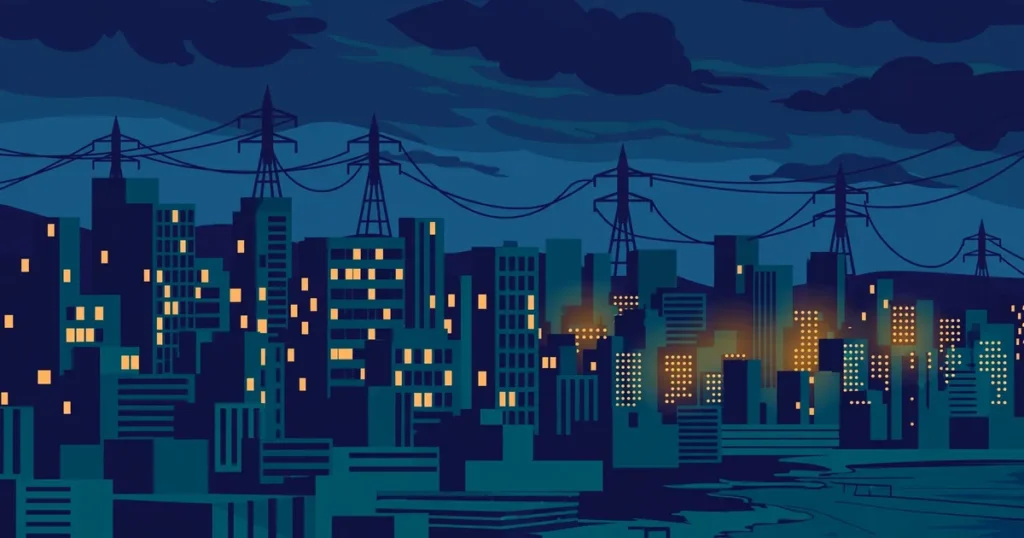
K-Electric has warned that Karachi could face power cuts during evening and night peak hours as a nationwide shortage of re-gasified liquefied natural gas (RLNG) squeezes electricity generation across the country. The utility described load management as an “extreme, last-resort measure” it would use only if forced by the fuel constraint.
In a statement posted on X on Friday evening, KE spokesperson Imran Rana said the RLNG constraint stemmed from international supply disruptions and delayed cargoes, affecting generation countrywide, including KE’s territory. He said daytime supply would remain largely stable, added that the company was coordinating with Pakistan LNG Limited and the relevant authorities toward an early normalisation, and apologised to consumers for the inconvenience.
But the cuts are not hypothetical. Dawn reported that areas long exempted from load-shedding — including Defence, Clifton, PECHS, Muhammad Ali Society, Gulshan-i-Iqbal, Nazimabad and North Nazimabad — experienced up to two hours of outages during Friday’s evening peak and late night. Other reports put the outages at one to three hours and said the duration of cuts had also increased in areas already subject to scheduled load-shedding.
Cuts extended to previously exempt areas
Dawn’s print edition noted that KE has already been carrying out up to 14 hours of daily load-shedding in several areas on the pretext of line losses; the new phase-wise cuts extend to neighbourhoods previously spared. Separately, NEPRA has taken action against KE over its practice of imposing load-shedding on feeders based on aggregate technical and commercial (ATC) losses.
According to data KE shared earlier this year, the utility generated 19 per cent of its own electricity — 252 MW — from LNG in December 2024. KE generates about 1,600 MW itself and draws 1,000 to 1,100 MW from the national grid to meet peak demand of up to 3,400 MW.
Why it matters
This is Pakistan’s second RLNG-driven load-management episode this year. In August, consumers across the country faced cuts linked to limited supplies; the government apologised and promised relief once delayed cargoes arrived. The fuel crunch has deepened as Middle East hostilities disrupt the Strait of Hormuz and Bab al-Mandab, and authorities are already struggling to finalise the LNG import plan for the December–February winter months amid the US-Iran standoff.
For Karachi’s residents, night-time outages mean lost sleep, stalled businesses and pressure on backup systems already strained by years of unreliable supply.
What’s next
KE says it expects daytime supply to stay stable and is pushing for early normalisation of RLNG flows. The real test comes with the winter import plan: if delayed cargoes do not arrive and international supply disruptions persist, the “last-resort” load management could become routine for Karachi’s evenings.
Sources
- Dawn — Karachi hit by blackouts as KE cites gas shortage (October 10, 2026)
- Dawn — K-Electric may have to carry out load management as ‘extreme’ measure during peak hours at night (October 10, 2026)
- The Express Tribune — K-Electric hints at load management as ‘extreme’ measure during evening, night peak hours (October 10, 2026)
- Dialogue Pakistan — Karachi may face night-time load-shedding amid RLNG shortage: K-Electric (October 10, 2026)
- ARY News (via Lokmat Times) — Karachi plunges into power crisis as K-Electric announces phased load shedding amid LNG shortage (October 10, 2026)