Key takeaways
Pakistan launches the Mehfooz Dawa app on November 24. Shoppers can scan a medicine’s 2D barcode to check its authenticity, expiry date and approved price. The system is overseen by the Drug Regulatory Authority of Pakistan.
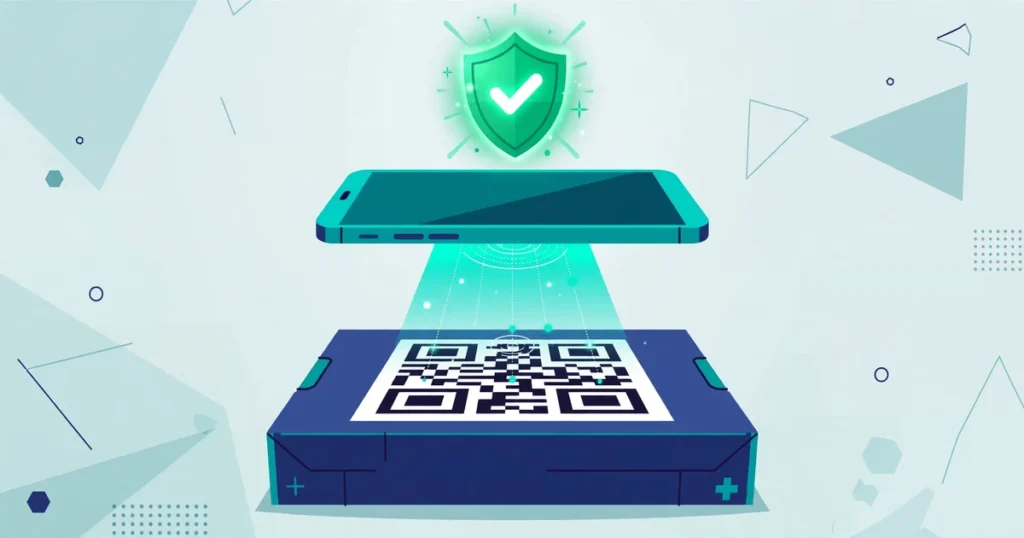
Pakistan will launch a mobile app on Tuesday, November 24, that lets anyone check whether a medicine is genuine before buying it. Prime Minister Shehbaz Sharif is due to inaugurate the Mehfooz Dawa app at a ceremony in Islamabad.
The app works by scanning the two-dimensional (2D) barcode printed on medicine packaging. A scan pulls up the medicine’s registration status, expiry date, usage instructions and government-approved retail price, so a buyer can confirm what they are paying for before they leave the pharmacy counter.
How the system works
The app sits on top of a central Track and Trace System that follows medicines from production to the pharmacy shelf. The Drug Regulatory Authority of Pakistan (DRAP) is responsible for running it, and the system is mandatory for human and veterinary pharmaceutical companies, manufacturers and importers across the country.
Since October 9, every medicine manufactured in Pakistan must carry a unique 2D barcode and serial number on its packaging. The import and sale of medicines without the prescribed code has been prohibited since the same date. Batches made before October 9, and imported medicines that arrived before then, are exempt, so an older pack without a code is not automatically a fake.
The app is free to download. Reports of the launch say it will also let users report a suspected fake, substandard or overpriced medicine, with a photo, so the regulator can follow up on the complaint.
Why it matters
Fake and substandard medicines are a persistent risk for patients in Pakistan, where a wrong or diluted drug can mean treatment fails or a condition gets worse. Until now, checking a medicine’s authenticity has largely depended on inspections and enforcement, not on the person buying it.
The launch comes days after the issue drew fresh scrutiny. On November 16, a Senate committee questioned DRAP’s oversight of counterfeit drugs, and on the same day DRAP warned about a suspected fake batch of the Hexaxim vaccine, batch number X3H421VA, and banned its sale and use. The app shifts part of that check into shoppers’ hands.
What’s next
The formal launch takes place in Islamabad on Tuesday, November 24. For the system to work as intended, manufacturers must keep printing valid codes, pharmacies must stock coded packs, and buyers need to build the habit of scanning before they pay.
For now, the practical advice is simple: download the app, scan the barcode before buying, check that the price matches the approved price, and do not buy a medicine that the app flags as unregistered or fake.
Sources
- ARY News, “Mehfooz Dawa App to Launch in Pakistan on November 24“
- Dialogue Pakistan, “Pakistan to introduce medicine verification app on November 24 to tackle counterfeit drugs“
- Azaad Digital, “Pakistan to launch Mehfooz Dawa app to verify medicines“